Choose the right pace
Explore taught and research options. Compare course length, assessments and any placement component before deciding which format suits you.
You can still read the page. Check your connection and reload this page, call the team or email your enquiry.

Your interests. A new perspective.
Find the course, university and city that fit your ambitions. Plan your UK studies with clear guidance on applications, costs and the Student visa process for Indian students.
Bachelor’s · Taught master’s / MSc · Research degrees
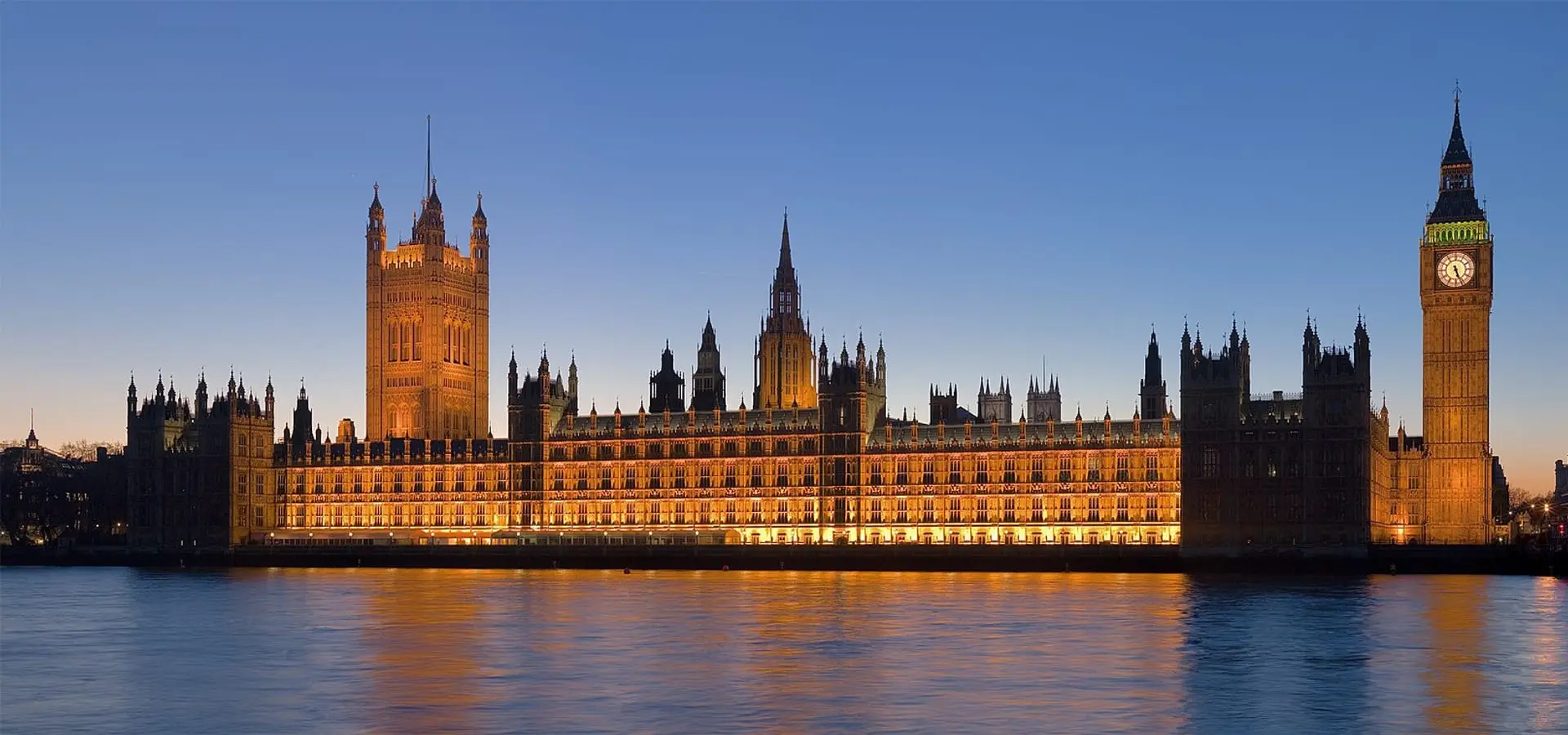 THE UNITED KINGDOM
Why study in the UK?
Look closely at the course you will study, the learning experience and the full cost. A strong shortlist starts with your goals.
Explore taught and research options. Compare course length, assessments and any placement component before deciding which format suits you.
Compare modules, projects, facilities and faculty expertise. A course title alone does not show what you will learn.
Look at housing, transport, student support and daily costs alongside university fees. Choose a place where your plan is workable.
Areas to consider when building your shortlist.
Compare computing, software and data curricula with your background and interests.
Review technical specialisations, projects and any professional accreditation.
Compare MSc, management and MBA options against your experience and goals.
Check subject prerequisites and separate registration rules for regulated careers.
Review portfolio expectations, facilities and how practical work is assessed.
Explore faculty interests, proposal requirements and supervision before applying.
Universities in the UK
Begin comparing these examples by course content, entry requirements, campus and the budget you have in mind.
Compare subject requirements and how your Indian qualification is assessed for your selected course.
Discuss this universityReview the course criteria, accepted qualifications and any additional requirements for Indian applicants.
Discuss this universityCheck the campus, course content, academic entry and English requirements for your exact programme.
Discuss this universityCheck the course, not just the university. Entry criteria and funding opportunities can differ between departments and intakes.
Build my shortlistUK tuition fees & living costs
Use your exact programme’s tuition and mandatory fees. Include living costs, course materials, travel and visa-related expenses separately.
Student visa maintenance · where applicable
For up to nine months, plus the course fees you must evidence. Exemptions and accepted funding arrangements can apply. These are visa funding requirements, not estimates of your actual living costs.
Check the required course-fee amount on your CAS and the maintenance requirement for your location. For funds subject to the holding rule, the money must be held for at least 28 consecutive days, with the period ending within 31 days of the application. Loans and financial sponsorship have their own evidence requirements.
Explore funding evidence in our visa guideSource: GOV.UK Student visa money guidance; reviewed October 18, 2026.
Tuition and mandatory feesConfirm the total for the course, study mode and any optional placement year.
Housing and daily livingCompare accommodation, utilities, meals, local transport and personal spending.
Visa, health and travel costsBudget for the applicable visa fee, health surcharge, required checks and travel.
Confirmed fundingUse written scholarship or sponsorship terms and allow for exchange-rate movement.
Scholarships for UK study
Explore university, departmental and other eligible awards. Compare application dates, course restrictions and any renewal or return conditions. Include funding in your budget when the award is confirmed in writing.
Discuss funding for my shortlistUK admission requirements
Check how your qualification is assessed, the required subjects and language evidence. A single percentage or English score does not apply to every university.
Check how the university assesses your Class 12 qualification, required subjects and academic results. Some courses need a portfolio, interview or supplementary assessment.
Check the accepted bachelor's qualification, subject background, grades and English evidence for your department. MBA and research courses may have additional experience or proposal requirements.
If direct entry is not suitable, ask about a relevant foundation or pre-master's route. Review progression conditions, total duration, added fees and visa arrangements before choosing it.
Check the university’s accepted tests, versions, scores and exemptions, then confirm the English evidence your Student sponsor will use. A Medium of Instruction certificate is not an automatic exemption from all admission or visa requirements.
Explore test preparation Read the Student visa guideReview your offer and deposit terms before accepting. Your university will explain its CAS requirements separately.
UK university intakes
Confirm that the specific course and campus offer your preferred intake. Scholarship and research deadlines may be earlier.
Check course opening dates, application deadlines and any earlier funding deadlines.
Confirm that your programme offers a January start and is accepting international applications.
Available for selected courses. Use the published start date for the specific programme.
From course choice to arrival
Ratnas Overseas helps you organise your preparation. Your university decides admission and CAS sponsorship; UK authorities decide the visa application.
Compare curriculum, entry criteria, location, duration and full costs.
Organise academic records, English evidence and course-specific materials.
Understand conditions, deposit terms, refund policies and funding decisions.
Follow your sponsor's checks and review your Confirmation of Acceptance for Studies details.
Prepare the funding evidence and any required health or other documents under current instructions.
Check your visa and travel instructions, housing and the university's enrolment arrangements.
Explore your CAS, funding evidence, required documents and application preparation in the dedicated guide.
Planning beyond your degree
Plan your course for its educational value. Check any later work or immigration route against the rules that apply when you become eligible.
For eligible applicants, a Graduate visa lasts two years for applications made on or before December 31, 2026, or 18 months for applications from January 1, 2027. PhD or other doctoral graduates receive three years.
The date of the Graduate visa application matters, rather than the date you begin your course. A degree or visa does not guarantee employment or settlement.
Explore post-study planning in our guideSource: GOV.UK Graduate visa overview; reviewed October 18, 2026.
Your questions, answered
Answers to help you compare your options.
Use your course's current tuition and mandatory fees, then add accommodation, food, transport, materials, travel and visa-related costs. London and other locations can have different budgets. The visa financial requirement is separate from your actual living-cost estimate.
No. Compare the published duration and study mode for your course. One-year taught master's options are available, while research, part-time and courses with other components may take longer. Check what is included before comparing total costs.
Only where the institution and applicable visa requirements permit the evidence you provide. Check accepted tests, score requirements, exemptions and the sponsor's English assessment. An MOI certificate or waiver from one institution does not apply automatically elsewhere.
The Confirmation of Acceptance for Studies is an electronic record assigned by your licensed Student sponsor. Follow the sponsor's conditions and check your course, personal and fee details before applying for the visa.
Where the financial requirement applies, the current maintenance rates are £1,529 per month in London or £1,171 outside London, for up to nine months, in addition to the course fees you need to evidence. Check exemptions, accepted funding evidence and the timing rules for your circumstances.
For eligible applicants, the Graduate visa lasts two years if the application is made on or before December 31, 2026, or 18 months for applications from January 1, 2027. PhD or other doctoral graduates receive three years. Eligibility and the application date matter; the visa does not guarantee a job or settlement.
Check university, departmental and other eligible funding opportunities. Compare application dates, award conditions and any renewal or return requirements. Use confirmed written awards in your budget rather than assuming funding will be available.
We help you review your profile, shortlist courses, organise applications and prepare for the Student visa process. Request free counselling in Uppal or Vanasthalipuram in Hyderabad, Vijayawada or Hanamkonda, or ask about online counselling. Universities decide admission and funding; UK authorities decide visas.
Free UK study counselling
Discuss your academics, course interests, intake and budget. Get help building a shortlist and preparing your next steps.
+91 92810 31981UK study counselling in Uppal and Vanasthalipuram, Hyderabad; Vijayawada; and Hanamkonda. Online counselling available.
Find your nearest branch